
A Culinary Destination
Explore Siem Reap
The food scene in Siem Reap is remarkably diverse. You can find everything from traditional Amok (a fragrant fish curry steamed in banana leaves) at a street stall to refined Khmer “New Cuisine” in upscale bistros. The city has become a hub for sustainable dining, with many restaurants focusing on farm-to-table practices and supporting local agriculture.
Whether you are wandering through the quiet, leafy streets of the French Quarter or exploring a remote forest temple, Siem Reap manages to feel both majestic and intimate—a place where history isn’t just in the past, but lived every day.
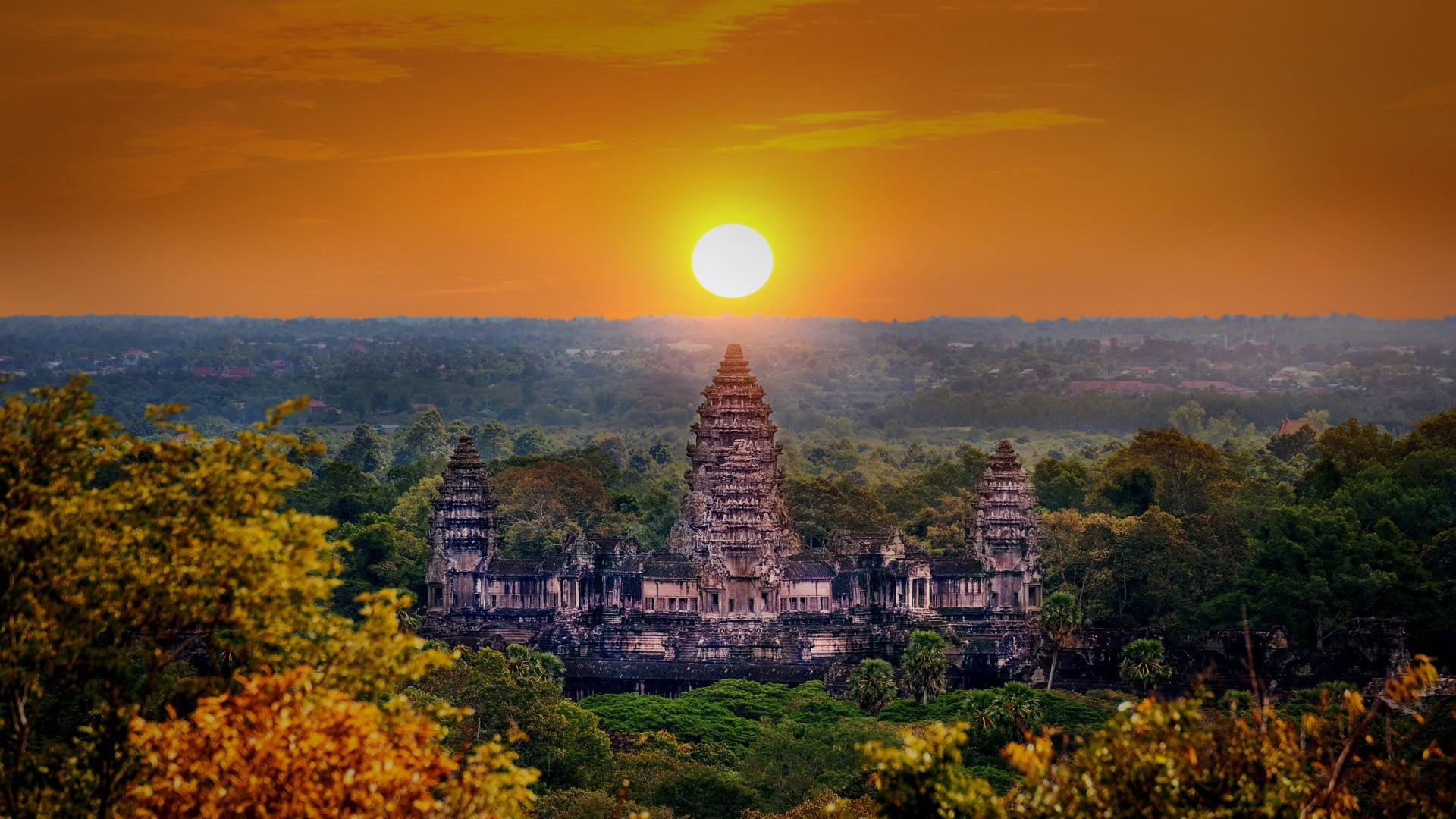
Angkor Wat
The world’s largest religious monument, designed as a terrestrial representation of Mount Meru. It is most iconic at sunrise, when the sky turns violet behind its five lotus towers.
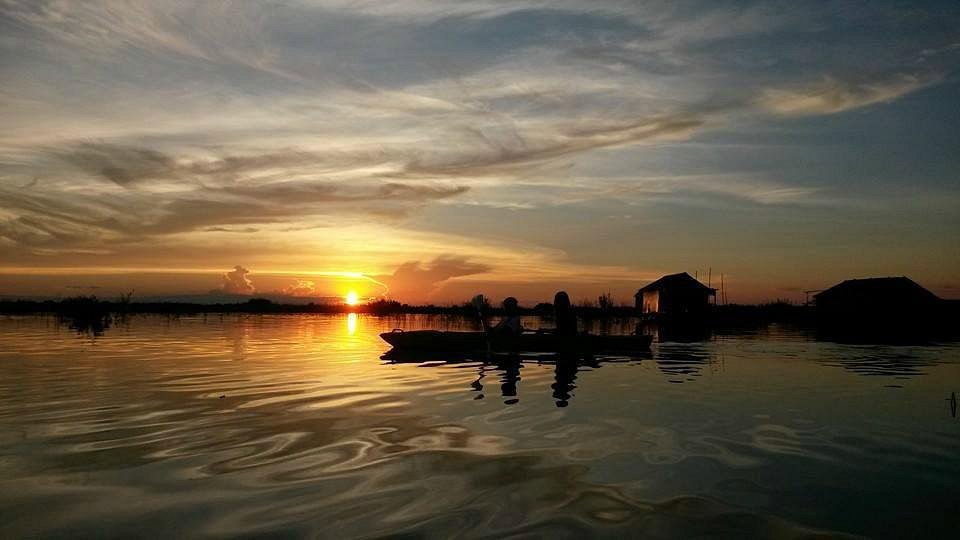
The Tonlé Sap
A short drive from town leads to the largest freshwater lake in Southeast Asia. Here, you can visit floating villages like Kompong Phluk, where houses are built on towering stilts to adapt to the seasonal rising of the water.
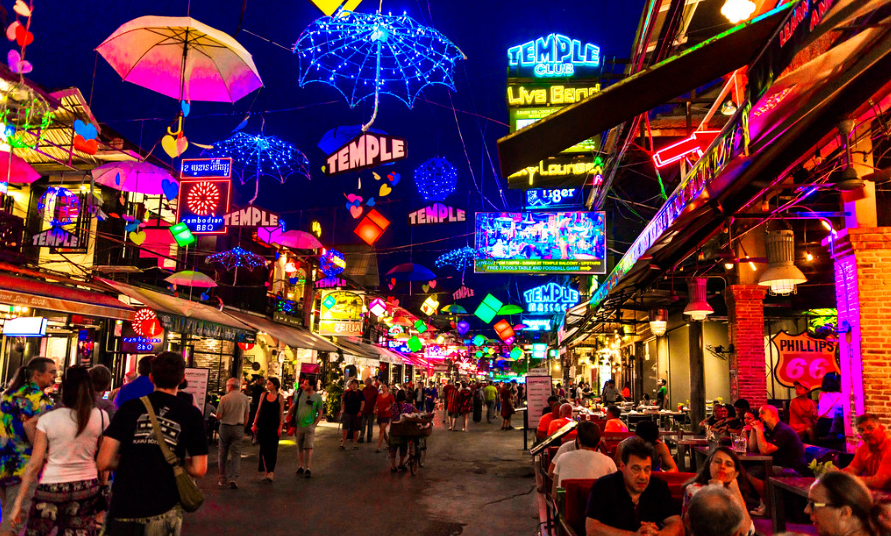
Pub Street & The Night Markets
For a change of pace, the city center comes alive after dark. Whether you’re looking for hand-woven silks at the Old Market (Psar Chaa) or a cocktail on the neon-lit Pub Street, the atmosphere is electric and welcoming.
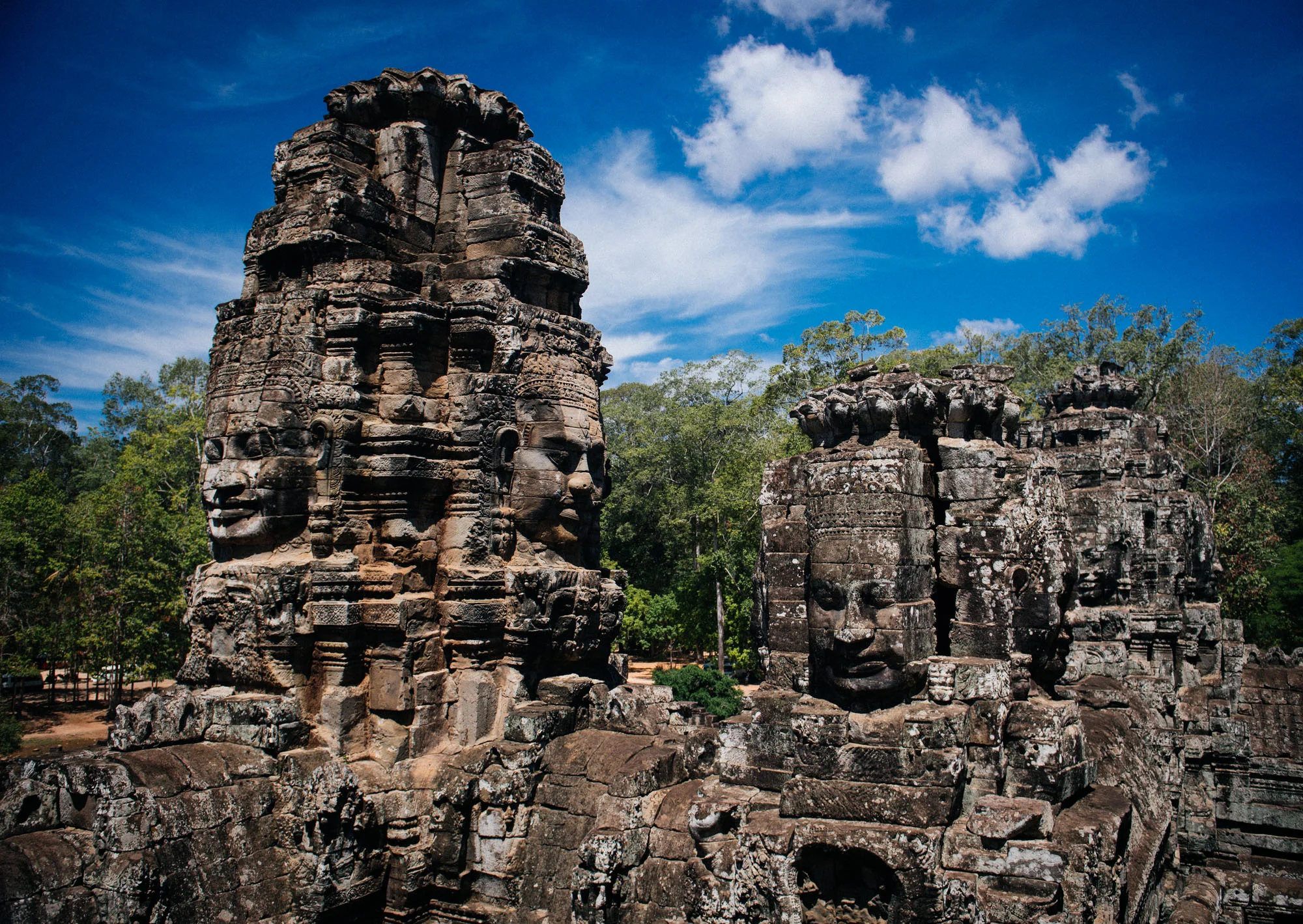
Bayon Temple
Located in the heart of Angkor Thom, this temple is famous for the “smiling faces” of Avalokiteshvara carved into its stone towers.
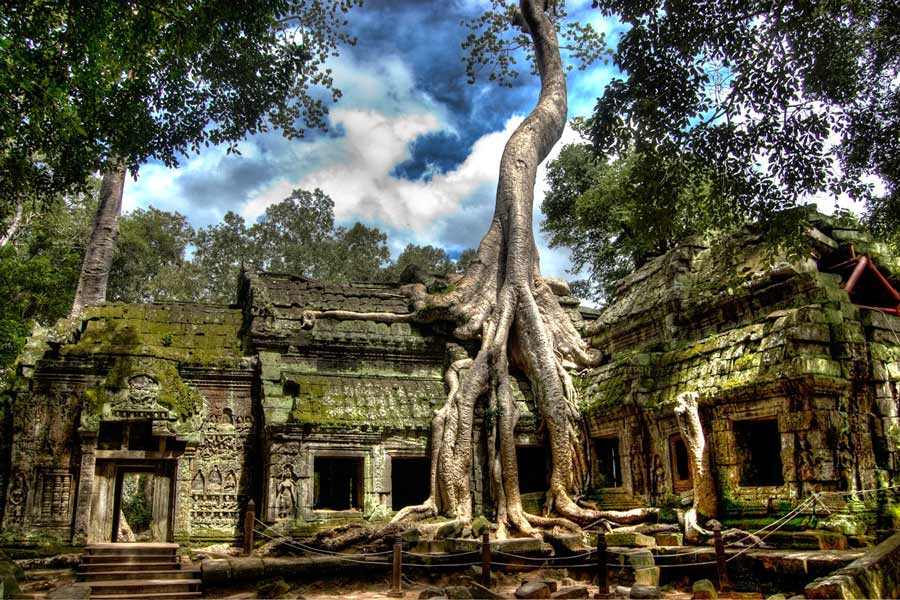
Ta Prohm
Left largely to the whims of nature, this “Tomb Raider temple” features massive silk-cotton trees and strangler figs growing directly out of the ruins.
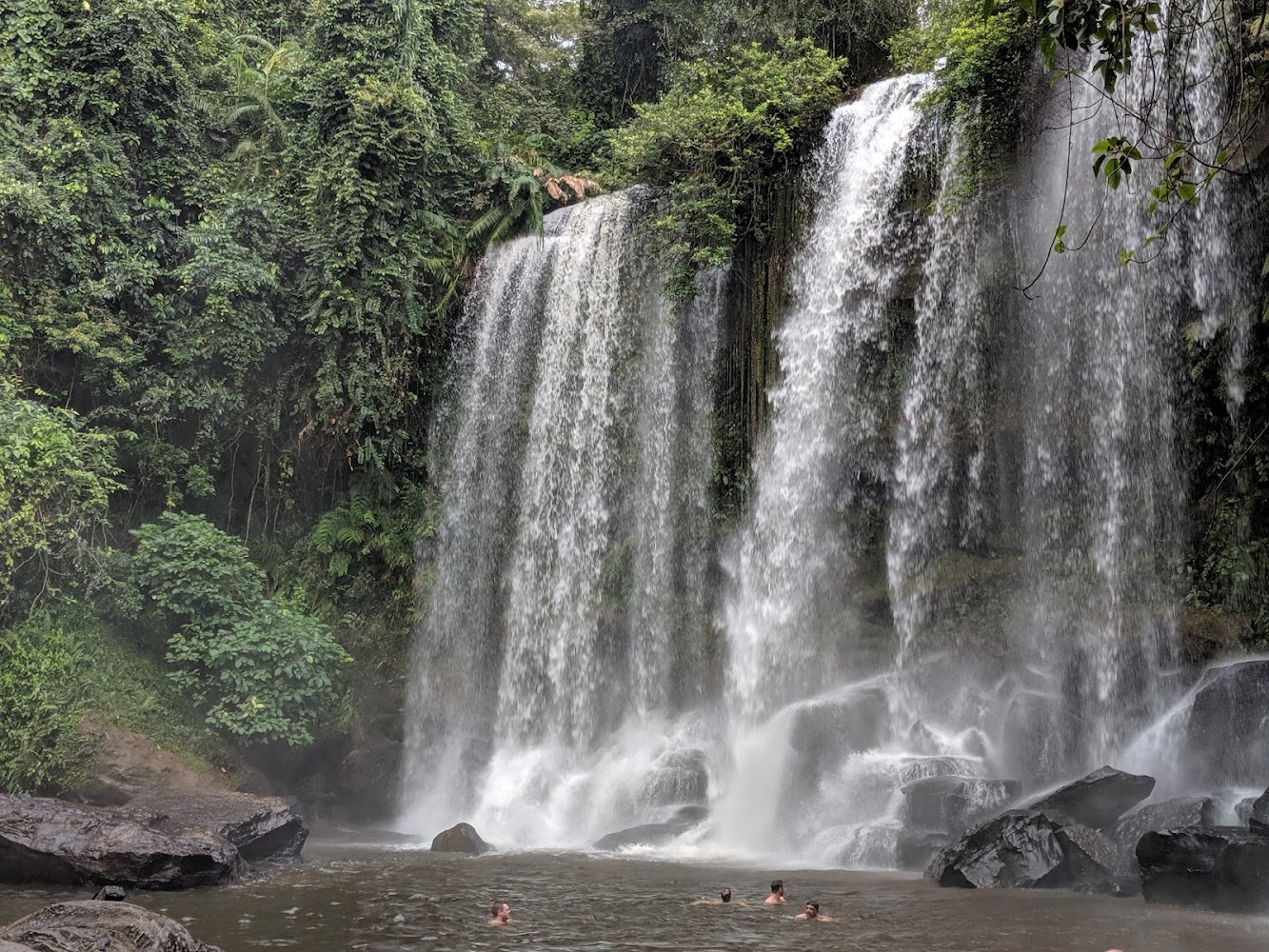
Phnom Kulen
Phnom Kulen is much more than a natural landmark; it is considered the most sacred mountain in Cambodia and the symbolic birthplace of the Khmer Empire. Located about 50 kilometers northeast of Siem Reap, it offers a refreshing mix of history, spirituality, and nature